

Direct To Film & Vinyl
Direct-to-Film (DTF) Printing: The Workhorse of Modern Shirt Decoration
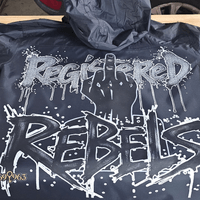
How DTF Printing Works:
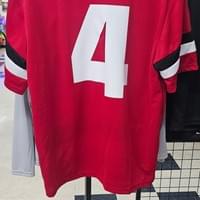
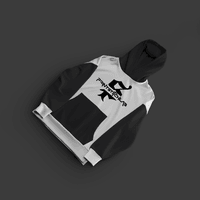
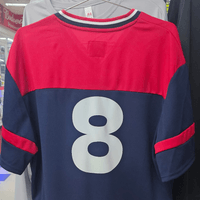
While embroidery is king for hats, polos, and uniforms, modern apparel branding needs a solution that can scale across full-color, detailed graphics on T-shirts, hoodies, jerseys, and specialty garments. That’s where Direct-to-Film (DTF) printing becomes a strategic advantage.
- Design Preparation
Artwork is set up digitally in high resolution, color-managed, and separated for optimal output. - Printing on Film
Specialized printers lay down pigmented inks onto a clear film. A layer of white ink sits under the design to ensure colors stay vibrant, whether it’s going on a black hoodie or a light grey tee. - Adhesive Powder Application
While the ink is still wet, a fine adhesive powder is applied across the printed area. Excess powder is removed, and what’s left bonds to the ink. - Curing
The film goes through a heat process that cures the ink and melts the adhesive into a ready-to-press transfer. - Heat Press Transfer
That prepared film is then heat pressed onto the garment. Under controlled time, temperature, and pressure, the adhesive activates and permanently bonds the design into the fabric surface. - Peel, Finish, Wear
The film is removed, leaving behind a smooth, durable print that flexes with the garment and stands up to real use.
Why DTF Is a Superior Solution for Many Projects
Compared to more traditional methods like vinyl, basic transfers, or small-run screen printing, DTF offers a strategic blend of quality, flexibility, and efficiency:
- Full Color, No Drama
Complex gradients, photographic images, shading, and intricate details are all fair game. - No Minimums Like Traditional Screen Print
You don’t need massive quantities to make it worthwhile. One-offs, small batches, or large orders can all use the same workflow efficiently. - Versatile Substrates
Works with cotton, poly, blends, performance fabrics, and more—ideal for teams, companies, and brands that need a mix of garment types. - Durable and Wash-Resistant
When done correctly, DTF prints are long-wearing and resistant to cracking and fading, often outlasting older heat-transfer methods. - Faster Turnaround
Because the setup is digital, PSL can go from file to finished product in a fraction of the time it used to take with older processes.
- Design Preparation


Give Us A Call
770.633.7299
Follow Us on Instagram
© 2025 Copyright PrintStitchLab
This Website was built by Atlanta Design